
Wildwood: Inside Laika's Longest and Most Ambitious Film
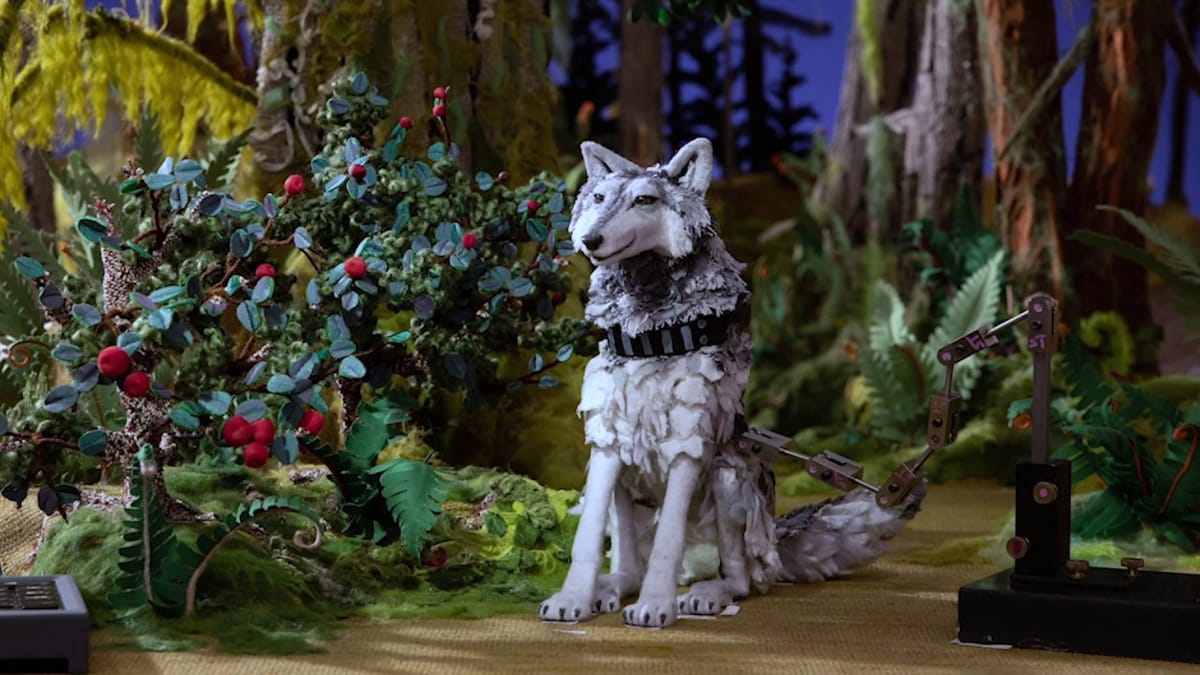
Few animated films take as long to make as Wildwood. Laika announced its plans to adapt Colin Meloy's novel in 2011, and the finished film reached cinemas in October 2026. It is the Oregon studio's sixth feature and, by running time, the longest stop-motion film made.
The basics
Travis Knight, Laika's president and chief executive, directed the film. Chris Butler wrote the screenplay, and Arianne Sutner produced with Knight. It is based on the 2011 children's novel by Meloy, singer and songwriter with The Decemberists, with illustrations by Carson Ellis.
The film had its world premiere at the BFI London Film Festival on 11 October 2026. It opened in the United States on 23 October. The theatrical running time is 132 minutes, and some reviewers round it to 130.
What the story is about
The heroine is Prue McKeel, a curious 12-year-old from Portland, Oregon. Her baby brother is carried off by crows into the Impassable Wilderness, a forested region beyond the edge of the city that most people believe is only a legend. Prue follows, and her classmate Curtis tags along.
Beyond the city limits they find a hidden world of talking animals, rival factions and old magic. The story moves from a gothic fairy tale into large-scale fantasy conflict. At its heart is a theme familiar from Laika's earlier work: outsiders finding their own place, and the cost of losing touch with the natural world.
The voice cast
Peyton Elizabeth Lee voices Prue, and Jacob Tremblay plays Curtis. Jake Johnson and Maya Erskine voice Prue's parents. Laika announced most of the cast in August 2022.
- Carey Mulligan
- Mahershala Ali
- Angela Bassett
- Awkwafina
- Charlie Day
- Amandla Stenberg
- Jemaine Clement
- Tantoo Cardinal
- Tom Waits
- Richard E. Grant
Reviewers have generally said the performances feel grounded, even when the characters are fantastical creatures.
A huge handmade production
Scale is the film's main selling point. One review puts the production at 136 sets and 231 puppets, spread across thousands of individual shots. Each frame is photographed by hand, with the puppets moved a tiny amount between exposures, so a project of this size takes years.
Critics have noted how tactile the result looks. Variety called it a stand-out in a market dominated by glossy digital animation. Laika's earlier films include Coraline, ParaNorman, Kubo and the Two Strings and Missing Link. The last of these won the Golden Globe for Best Animated Film and was the studio's most recent release before this one.
A first for the studio
Wildwood is Laika's first film to receive a PG-13 rating in the United States. The darker tone, including scenes of wartime-style fantasy conflict, is part of the reason. Parents of younger children may want to check the content before booking a family trip.
How critics responded
The reviews have been very strong. Forbes reported a perfect score on Rotten Tomatoes after the London premiere. Another report puts the score at 99% positive from 148 reviews, with a Metacritic score of 88. The film also won the audience prize at Sitges and opened AFI Fest in Los Angeles.
Roger Ebert's site gave it three and a half stars out of four. It called the film a gorgeous ode to outsiders and nature. Variety described it as a richly textured fairy-tale epic, while noting that some long-time fans may prefer Laika's smaller, quirkier films.
The common criticisms
The praise is not unconditional. Several reviews point to the long running time, which slows the middle of the journey. Others say the story leans on familiar fantasy ideas, even if the craft makes them feel fresh.
Box office so far
Audiences have responded warmly, with an A CinemaScore reported for opening-day viewers. Ticket sales have been more modest. One published figure puts the worldwide gross at about $23.8 million. The film is reported to have cost a nine-figure sum, so it has a long way to go before it breaks even.
Final totals will depend on word of mouth, awards attention and its home release. Laika's films have often found their widest audience after their cinema runs.
Why it matters
Wildwood is a reminder that large-scale animation can still be made by hand. Whether or not it becomes a commercial success, it gives the studio its most ambitious calling card and gives audiences a rare chance to see stop-motion filmmaking on an epic scale. If you want to see it as intended, a cinema screen is the best place.